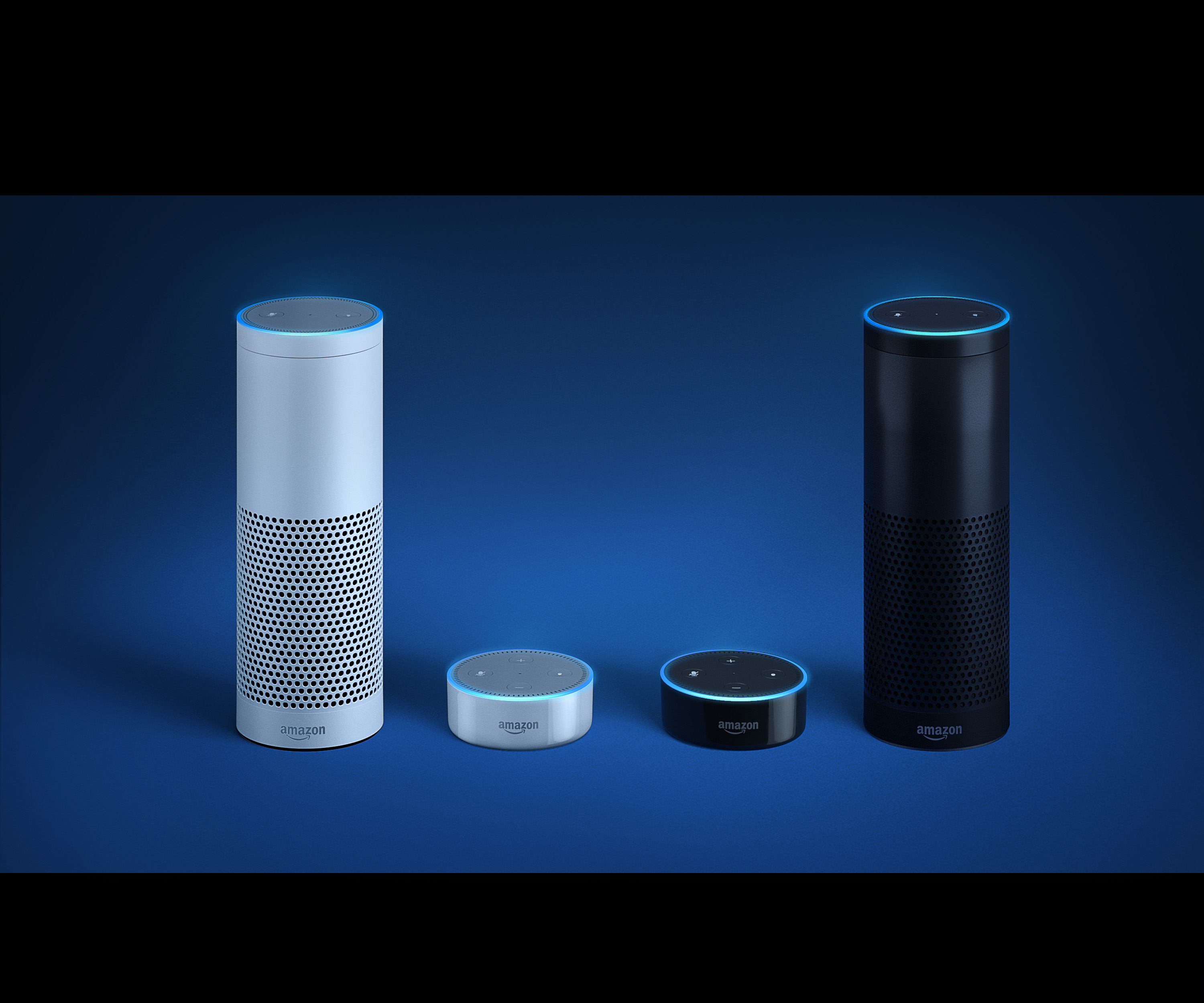
While analyzing comments about Google Home shortly after its release in Germany I came across the following fascinating thought from one user: “And will users become content not knowing? (when the assistant does not have the answer to a question)? The device does not recommend any sources for further research” [1] There are two themes in this comment I find worth-exploring; criticism of the smart speaker’s narrow helpfulness and what I will call Alexa effect. Alexa effect I will define the Alexa effect as the tendency towards contentedness with nescience about a topic if information about said topic cannot be obtained immediately or easily [2] In some way, we can already observe this “not knowing phenomena” in our online and offline behavior. For example, in how we google: If it isn't on the first page of Google, it doesn't exist. — Not Will Ferrell (@itsWillyFerrell) October 27, 2013 depend on our mothers: or the Google effect. This cognitive bias refers to the phenomenon that we tend to forget information that is easily obtainable through search engines. Alexa makes us childish by asking it questions that we wouldn’t have googled [3] Looking back on my Alexa-usage I can indeed remember being “ok